Our Label
Means Authentic

Professional Card Grading and Authentication Brand

Grade Definitions

GEM-MT

PSA 10

A BcTc Gem Mint 10 card is a virtually perfect card.

Attributes include four perfectly sharp corners, sharp focus and full original gloss. A BcTc Gem Mint 10 card must be free of staining of any kind, but an allowance may be made for a slight printing imperfection, if it doesn't impair the overall appeal of the card. The image must be centered on the card within a tolerance not to exceed approximately 55/45 percent on the front, and 75/25 percent on the reverse.
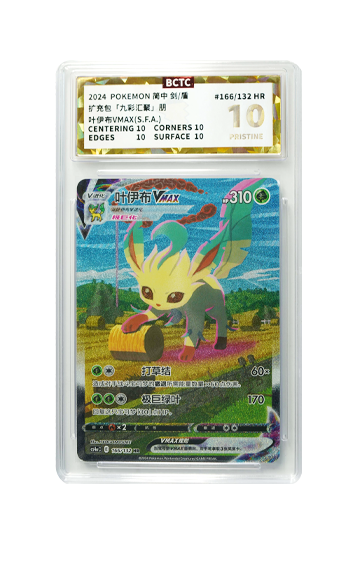
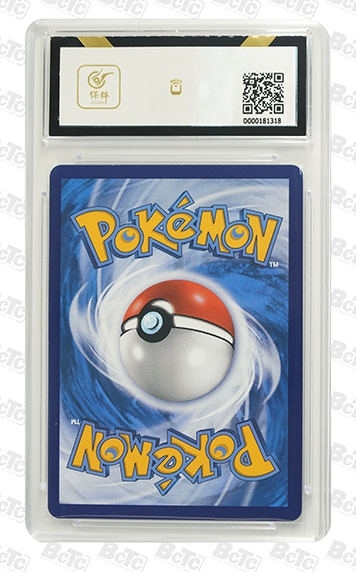
Grade Example Card

Additional Terms & Info

Qualifiers example

Qualifiers are used when a card meets the technical grade for a certain level, but presents a specific flaw (such as off-centering or staining) that materially affects eye appeal. In these cases, the base grade is accompanied by a qualifier code to clearly describe the issue.

Qualifiers help collectors quickly understand why two cards with the same numeric grade may be valued differently in the market, and provide greater transparency when evaluating overall condition.

Hand-cut card example

PSA will grade virtually any card that has been hand-cut off of a panel, box, etc. (Post Cereal, Hostess, Bazooka, Strip cards, etc.) keeping the following information in mind. This service does not include traditional sheet-cut cards. PSA will not grade cards cut from sheets that can be obtained in a normal fashion.

For example, PSA will not grade a 1979 O-Pee-Chee Wayne Gretzky card cut from a sheet because that card was issued in non-sheet form. On the other hand, PSA will grade a 1959 Bazooka or 1961 Post Cereal Mickey Mantle because those cards could only be obtained in one fashion – removed by hand from a box or panel.

Pins/Coins example

Pins and coins are evaluated using criteria appropriate to metal collectibles, including surface wear, luster, color, strike quality and evidence of cleaning or environmental damage.

Encapsulation protects these items from further oxidation while providing a clearly labeled, tamper‑evident holder that documents grade and certification details for long‑term tracking.

No Grade example

Certain submissions may be returned as “No Grade” when they fall outside of published grading standards. Common reasons include altered cards, items that are too small or too large for standard holders, or pieces with missing information that prevents positive identification.

When an item is deemed “No Grade,” it is not encapsulated, but submitters are informed of the reason so that they can make informed decisions about next steps.

Eye Appeal example

While grading uses consistent technical standards, overall eye appeal remains an important and inherently subjective factor. Centering, color saturation, gloss and print clarity can all influence how strong a card presents within the same numeric grade.

Multiple graders review each card to minimize individual bias and ensure that final grades reflect both objective defects and the general visual impression valued by collectors.

Ungradable Cards example

Some cards may be considered ungradable due to severe alteration, excessive trimming, restoration, or damage that compromises the integrity of the piece.

These items can still have sentimental or historical value, but they fall outside the scope of standardized numeric grading and are therefore returned to the submitter without encapsulation.